
Experiential Learning
Encourage students to imagine possibilities, develop ideas and explore more than one way to create something.
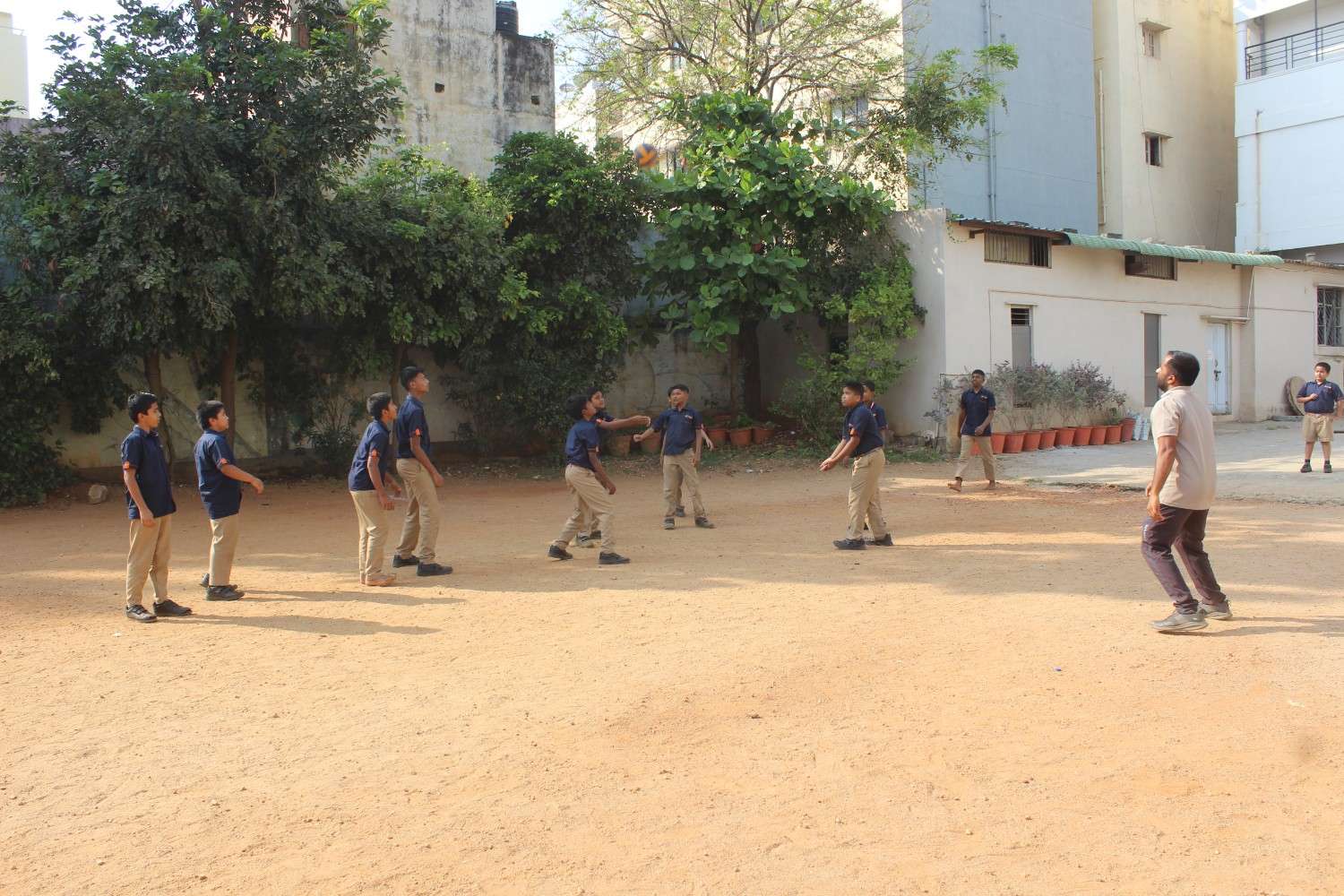
Field trips extend learning beyond the classroom, giving students the opportunity to observe real places, ask questions and connect lessons with the world around them. Educational visits can make new ideas more memorable through direct experience.
Visits to nature spots, museums, farms, cultural landmarks and other learning destinations can build awareness, curiosity and social skills. Students learn to listen, follow safety guidance, share observations and reflect on what they discover.
A well-planned field trip links classroom topics with first-hand experiences while encouraging curiosity, respect, responsible behaviour and shared discovery.
Encourage students to imagine possibilities, develop ideas and explore more than one way to create something.
Observe plants, animals, landscapes and local environments while developing respect for the natural world.
Explore local history, culture, science and community life through age-appropriate educational visits.
Practise listening, cooperation, responsible conduct and sharing observations with classmates and teachers.
A meaningful field trip includes preparation before the visit, observation and participation during the experience, and time afterwards to discuss what was learned. These steps help students connect their observations to classroom topics and everyday life.
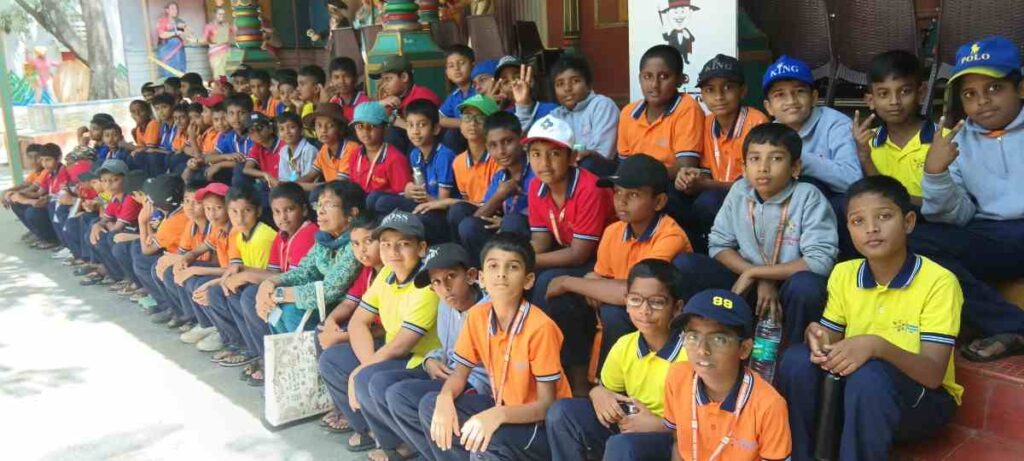
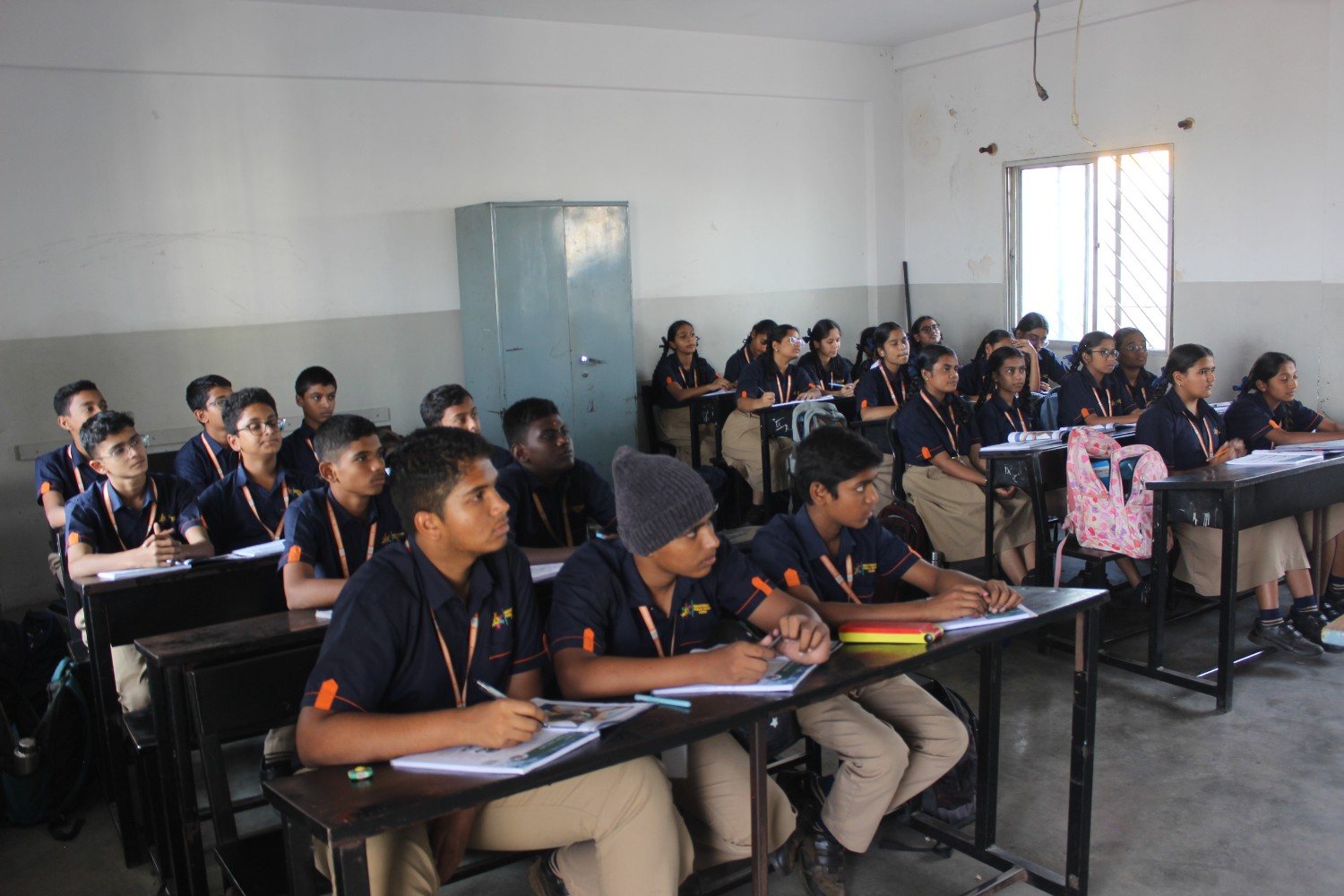
Field trips help students build curiosity, broaden their understanding and connect classroom learning with the world around them.
Book Your Admission →